A grocery store that your neighbors built.
Fourteen years ago a hundred and twenty-five people crammed into Cozmic Café and voted to start their own grocery store. We’re still here — still locally owned, still community grown, and still stocked by people who shop the same shelves.
Four dates that got us here.
- 2008
Co-op planning begins
David Harde lists Noah's Ark for sale; a small group of neighbors starts meeting in living rooms and coffee shops to ask a simple question — should Placerville own its own grocery store?
- 2010
First community meeting
Cozmic Café. Over 125 people show up. A virtual unanimous vote to go ahead with Placerville Natural Foods Co-op. Fundraising starts that week.
- 2011
Doors open
The store opens to the public. Stocked by locals, staffed by locals, owned by locals.
- 2025
Past 2,500 owners
Fourteen years in. Two thousand five hundred owners and counting — and a community campaign launched to buy the building we've been leasing since day one.
The real cost of shopping elsewhere.
Every dollar spent here is a vote for who gets it next. Here’s what 2025 looked like on the co-op’s own books.
That’s what a community-owned grocery store in El Dorado County actually does for its economy in one year.
- 35+El Dorado County small-business partners.
- $105K+of local produce sold in 2025 alone.
- $44K+raised & donated to local community groups.
The seven principles, in our own words.
Every food co-op from here to Vermont operates on the same seven principles. They’re older than most chains and more durable than most trends. Here’s how we live them.
- Principle 01
Voluntary & open membership
Anyone can join. No gatekeepers, no shibboleths.
- Principle 02
Democratic owner control
One owner, one vote. Elect the board. Set the direction.
- Principle 03
Economic participation
Owners contribute equitably. Surplus goes back into the store, or the community.
- Principle 04
Autonomy & independence
Self-governed. If we partner, it's on terms that keep us in charge.
- Principle 05
Education & information
We teach what ownership means. To our staff, our neighbors, anyone who asks.
- Principle 06
Cooperation among co-ops
We work with other co-ops locally and nationally — because the model only scales if it scales together.
- Principle 07
Concern for community
We donate, we volunteer, we show up. The store is one expression of a larger promise.
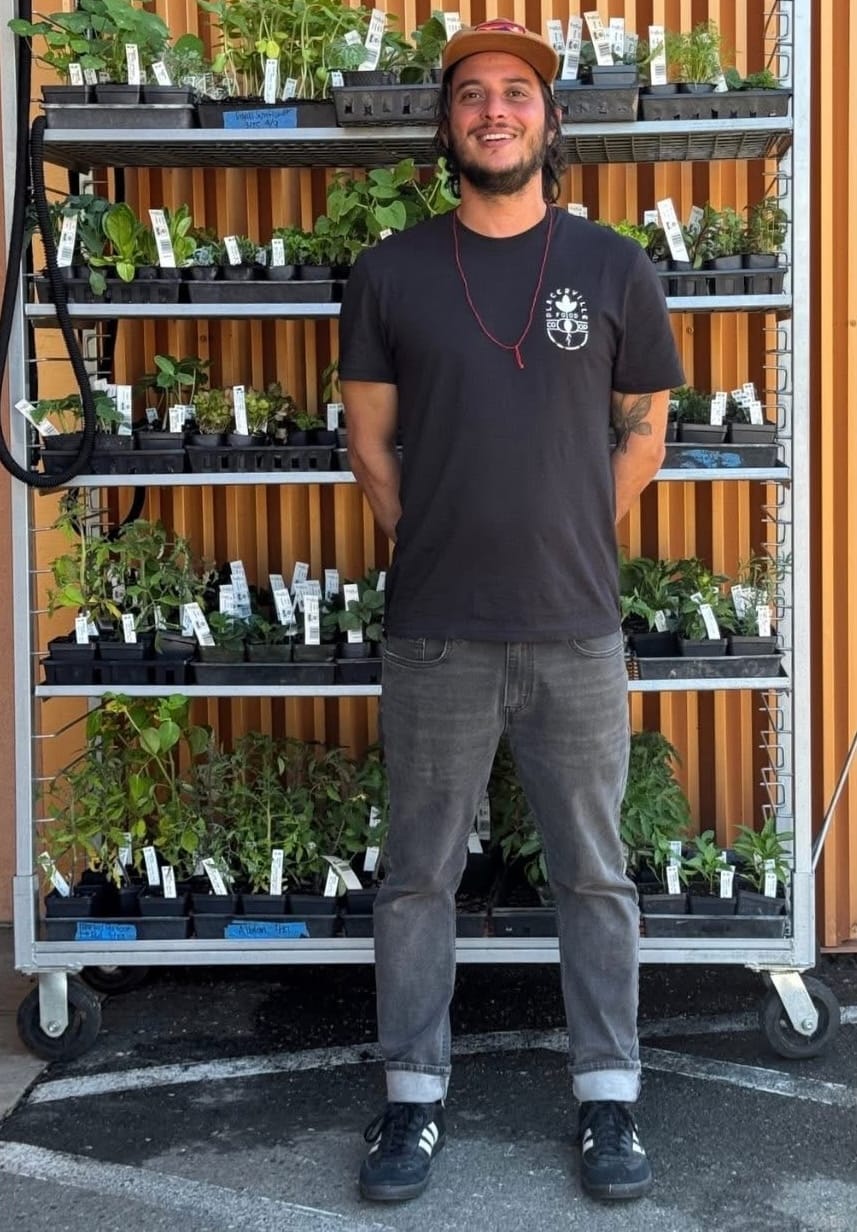
“When we say community-owned, we mean it. You can walk in here, become an owner for three hundred dollars, and the next week you’ll vote on the people who run the store. That’s not a marketing line. That’s Tuesday.”
— Jacob Mingle, General Manager